
The Easter Vigil sits at the heart of the Christian calendar. It marks the shift from darkness to light on the night before Easter Sunday.
This service brings together ancient rituals, powerful symbols, and sacred readings that recount the story of salvation. Honestly, it’s a lot to take in, but understanding these traditions can really deepen your appreciation for this liturgical event.
Teaching about the Easter Vigil gives you a chance to explore faith traditions through hands-on activities that engage all ages. You can dig into the meaning behind the Easter fire, discover why the candle matters, and figure out what makes this night so special.
From crafting candles to acting out the procession, there’s no shortage of creative ways to dive into the Easter Vigil. Art projects, games, discussions, and simple reenactments can make these customs feel real.
These activities fit nicely in classrooms, religious education programs, or even at home with family. If you’re hoping to share the deeper meaning of the celebration, this is a good way to do it.
1) Exploring the Symbolism of the Easter Fire
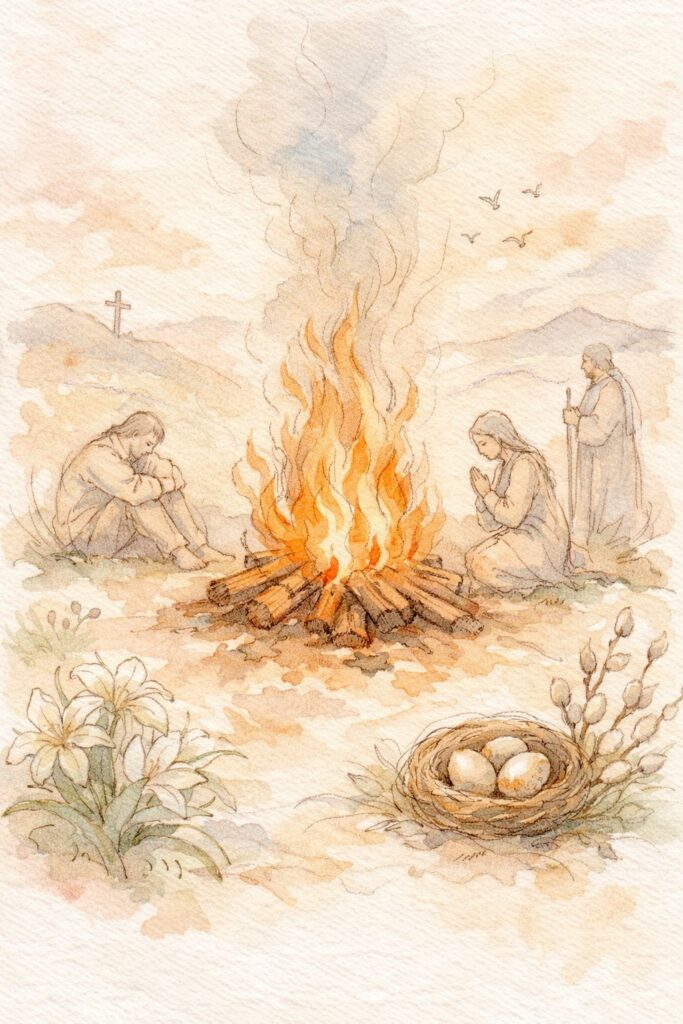
The Easter fire stands out as one of the most important symbols in the Easter Vigil celebration. It represents Jesus as the light of the world.
When you see those flames, you’re looking at a symbol of hope and new life. The fire gets blessed outside the church at the start of the service, and from it, they light the Paschal candle.
This tradition goes way back—it connects to the story of the Israelites following a pillar of fire at night when they left Egypt. The fire has two main meanings: it gives light so you can see in darkness and warmth that feels comforting.
Those qualities stand for truth and love in the Christian faith. The Easter fire reminds us how Jesus overcame death and brought light to the world.
2) Crafting and Decorating the Easter Candle
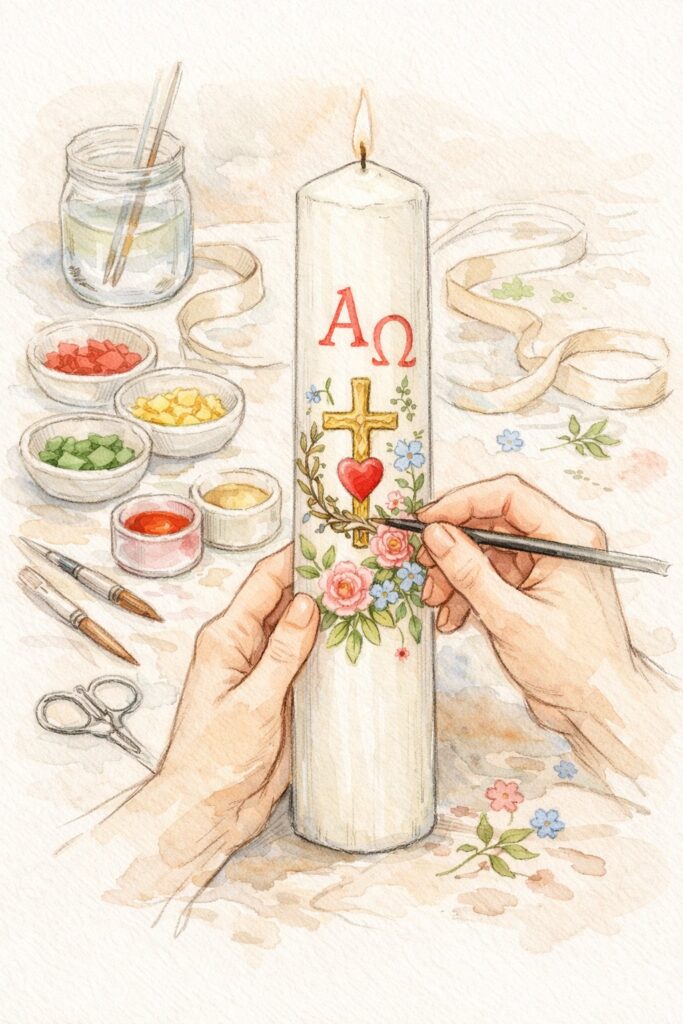
Making your own Easter candle at home is simple and genuinely meaningful. Grab a plain white candle from a craft or dollar store—it doesn’t have to be fancy or expensive.
The candle stands for Christ as the light of the world. You can decorate it with symbols that matter to you, like the current year, a cross, or even something more personal.
Markers, paint, or stickers all work. Some families keep it traditional, while others let the kids go wild with their creativity.
Younger kids can wrap colored paper around a toilet paper roll for a pretend candle. Older kids might want to decorate real candles, as long as an adult helps out.
Making the candle gives you a hands-on way to connect with Easter traditions. When you’re done, your candle can be part of your home celebrations all Easter season.
3) Interactive Reading of the Exsultet Hymn
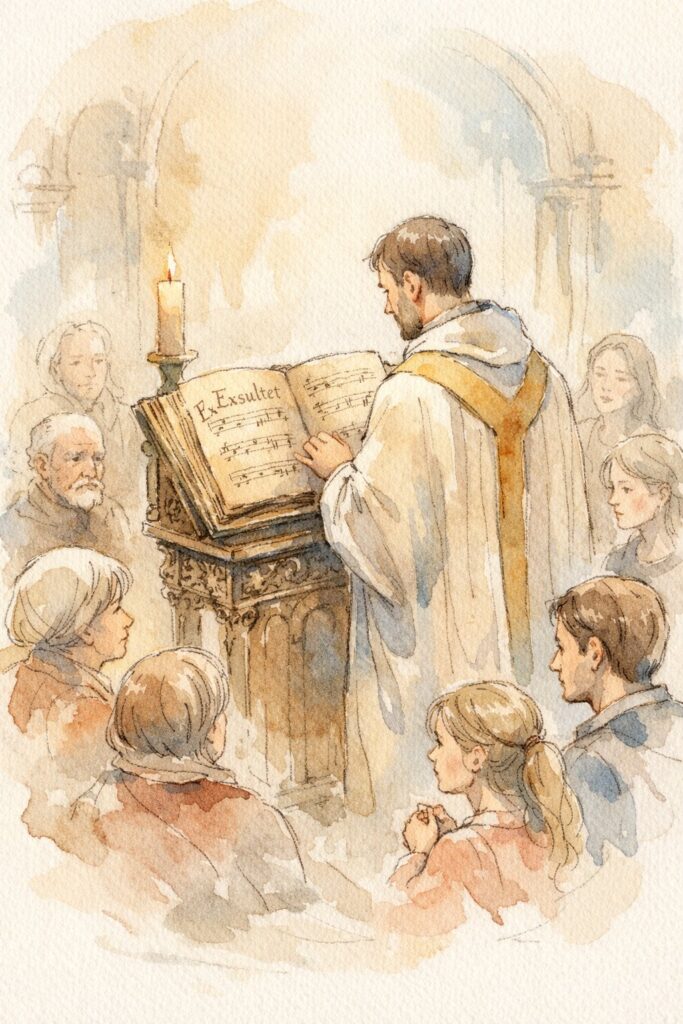
The Exsultet is this ancient hymn sung during the Easter Vigil. It celebrates Christ’s resurrection and praises God for redemption.
To make it more engaging, play a recording of the Exsultet so students can hear how it sounds. Plenty of websites offer audio versions.
Split the hymn into smaller sections. Let different students read or chant different parts—no need to power through the whole thing at once.
Try a call-and-response. One person reads a line, and everyone else echoes it back. It’s kind of fun and helps with memorization.
Ask students to look for themes in the Exsultet—light, resurrection, salvation history. That way, they’re not just reading, but actually thinking about what it means.
If the full hymn feels overwhelming, use the shorter version. You can easily find both in PDF form to print out.
4) Group Discussion on the Meaning of Light in the Vigil
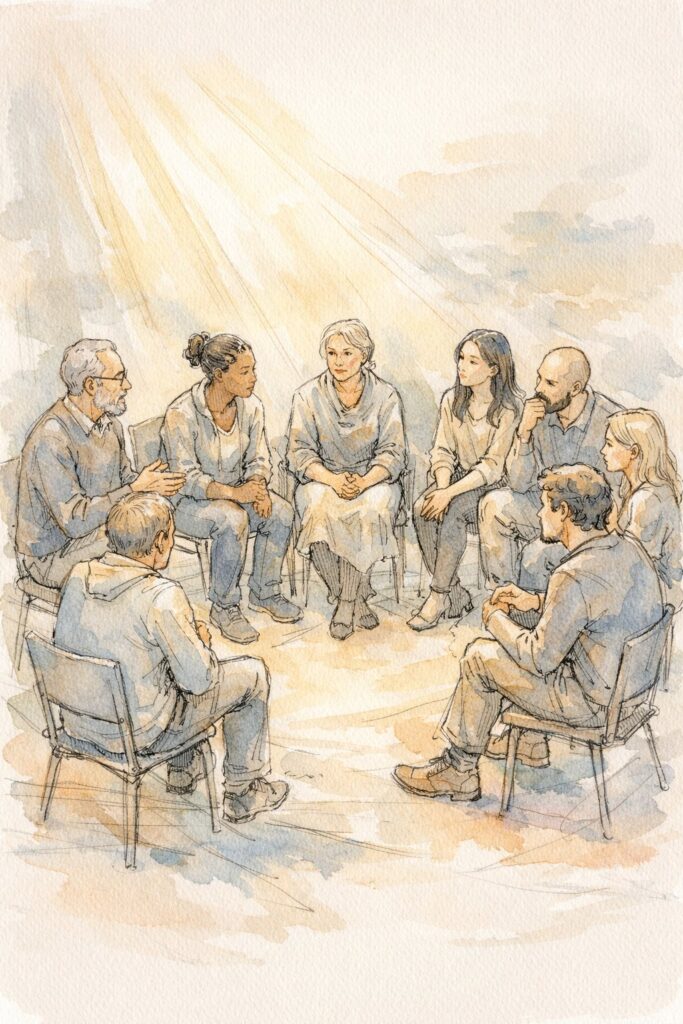
Light really takes center stage in the Easter Vigil. Kick off a group discussion by asking what light represents during this celebration.
Let everyone share their first thoughts about darkness and light. Light brings life, order, and knowledge. Darkness? It’s uncertainty and chaos.
Guide the conversation to how light conquers darkness during the vigil. A new fire is lit, and candles are passed from person to person. This spreading light shows Christ’s resurrection overcoming death.
Ask how it feels to watch the church fill with candlelight. Does seeing one small flame become many make faith feel more real?
You might read John 1:5—darkness can’t overcome light. Let people share moments when hope pushed out fear or sadness in their own lives.
5) Dramatic Reenactment of the Easter Vigil Procession
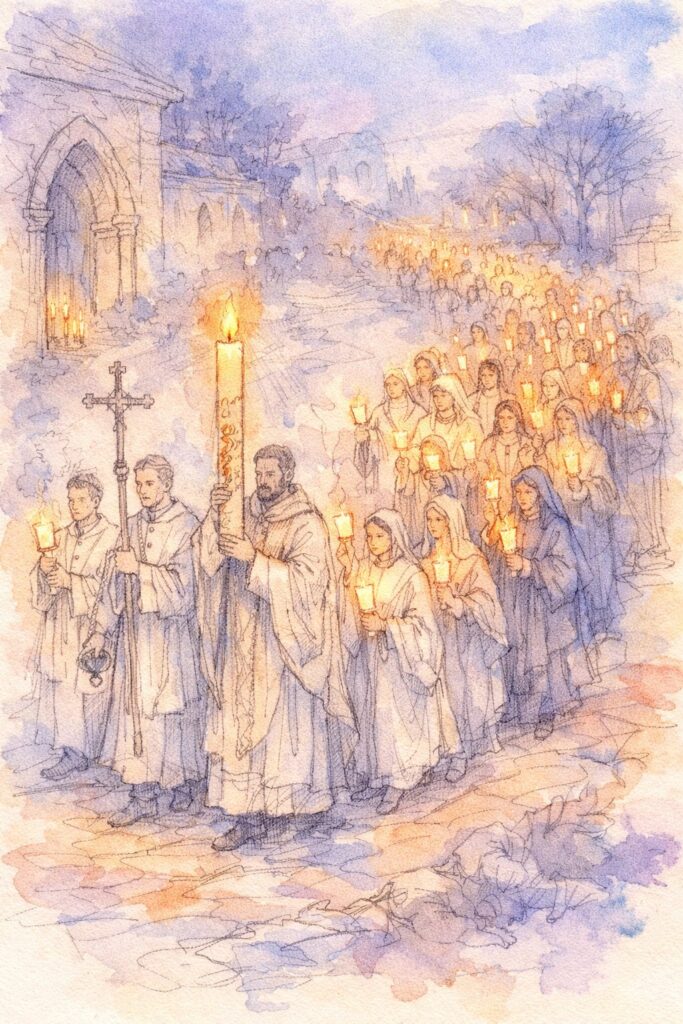
Try bringing the Easter Vigil procession to life with a hands-on reenactment. This activity helps students get a feel for the ceremony’s movement and flow.
Assign roles—someone to carry the Easter candle, a thurifer (even a pretend one), ministers, and people for the congregation. Walk through the order just like in the real vigil.
Practice moving from outside to inside. The candle-bearer leads, everyone else follows. Use battery-operated candles if you’re working with little kids.
Switch up roles so everyone gets to try different parts. It’s a good way to see how each person matters in the ceremony.
Add simple costumes or props—robes, banners, whatever you have handy. It doesn’t have to be perfect. The point is to help students remember the order and meaning through doing, not just watching.
6) Hands-On Activity: Making Small Baptismal Candles
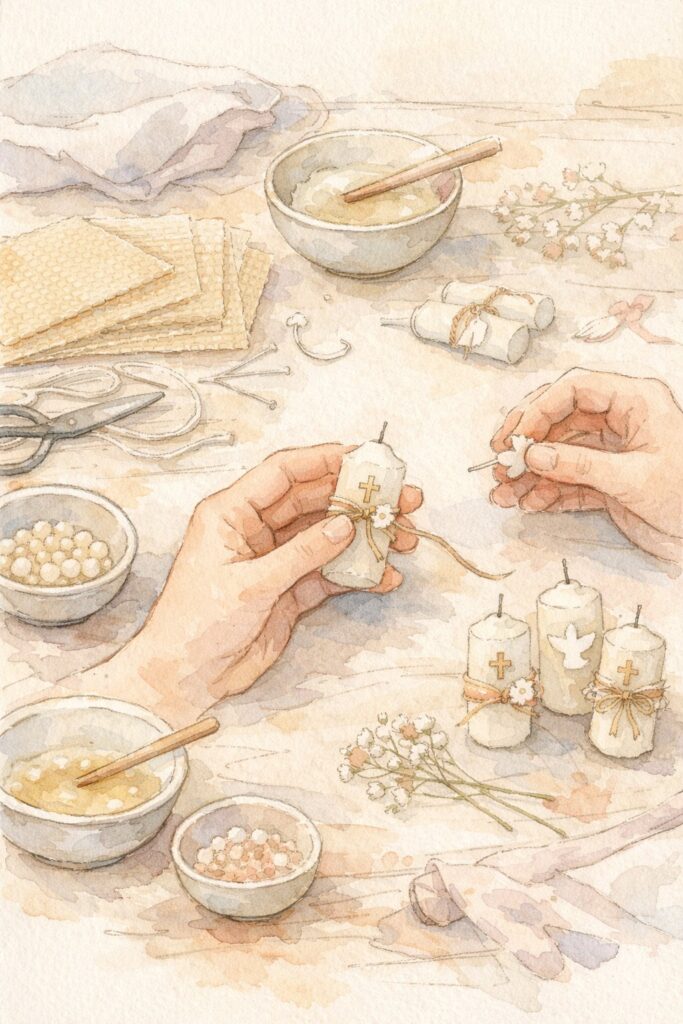
Making baptismal candles is a fun way for kids to connect with the Easter Vigil. Each child creates a candle that stands for the light of Christ they received at Baptism.
Start with plain white candles from a craft store. Let the kids decorate them with crosses, water drops, doves, or whatever symbols feel right. Wax crayons, candle paint, or stickers all work.
While you’re crafting, talk about why baptismal candles matter at the Vigil. Every newly baptized person gets a candle lit from the Paschal candle. It’s a way of showing how Christ’s light gets passed to each new member of the Church.
Younger children can use stickers and markers. Older kids might want to draw more detailed designs that show what Baptism means to them.
When you’re done, light the candles during your Easter Vigil discussion. It’s a powerful reminder that everyone carries Christ’s light through their own Baptism.
7) Creating a Visual Timeline of Holy Week Events
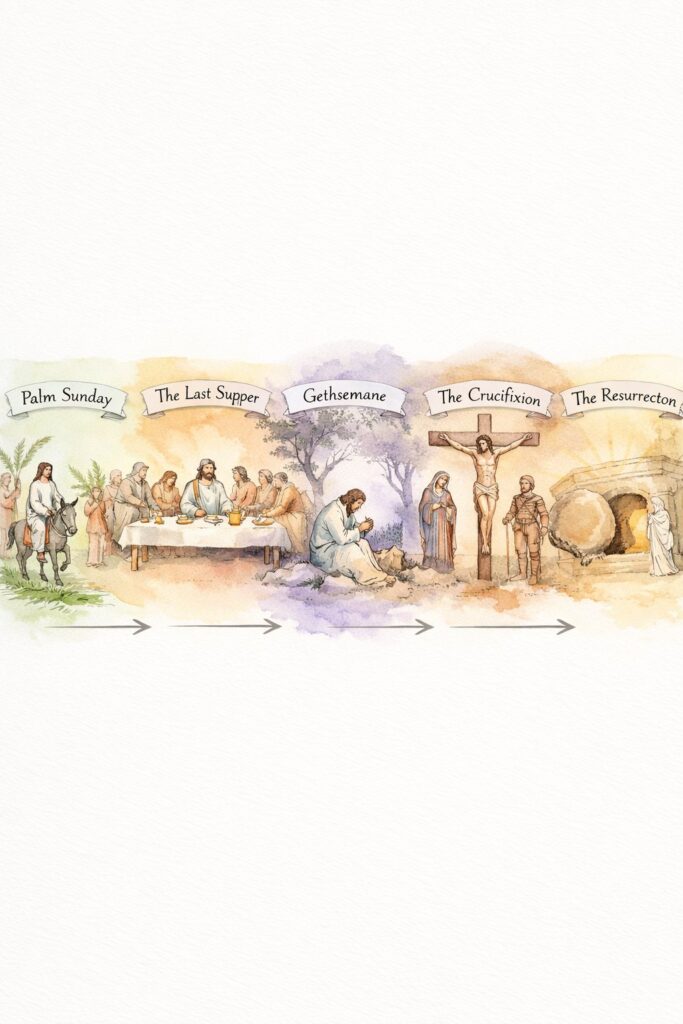
A visual timeline helps you see what happened leading up to Easter Sunday. Use construction paper, poster board, or even a big piece of cardboard.
Start with Palm Sunday on the left, and move to Easter Sunday on the right. Draw or print pictures of the key events for each day—Jesus entering Jerusalem, the Last Supper, Good Friday, the empty tomb.
Use markers or crayons to make it colorful. Add dates and a short description under each event so it’s easy to remember.
Hang your timeline somewhere you’ll see it all week. Some families add one event each day as Holy Week goes on, turning it into a week-long project.
Work on it solo or with family—it’s a handy reference for talking about Holy Week and the Easter Vigil.
8) Listening and Reflecting on Scripture Readings from the Vigil
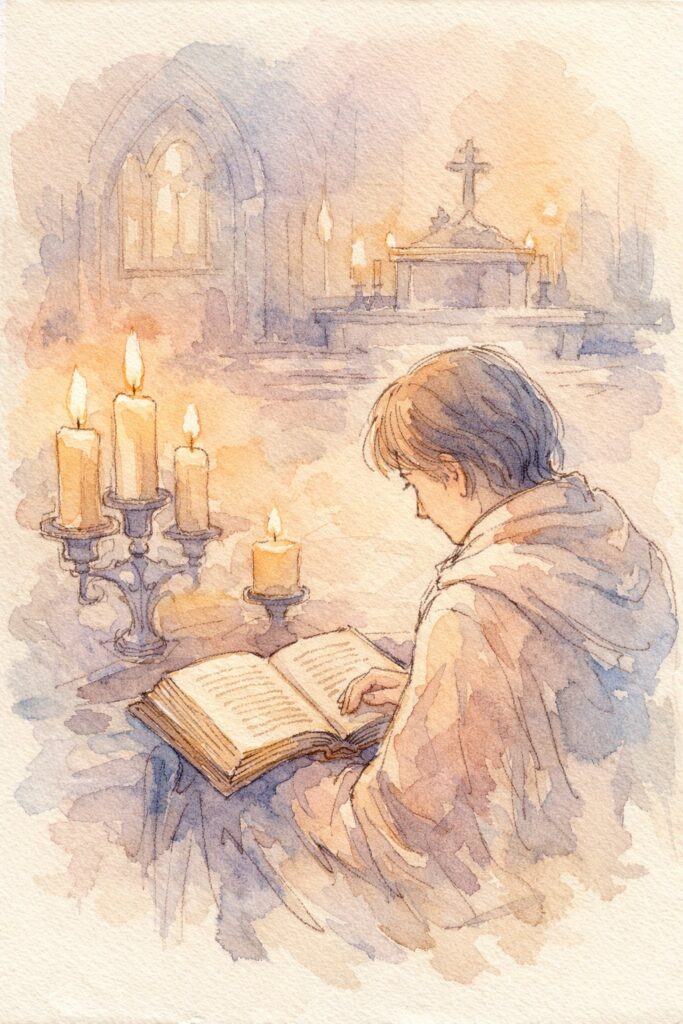
The Easter Vigil includes a lot of Bible readings that tell the story of God’s love through history. You might hear up to nine different passages—seven from the Old Testament, two from the New.
These readings take you on a journey. You’ll hear about Creation from Genesis, and maybe the story of Abraham and God’s promises.
Each reading connects to the Easter message in its own way. As you listen, think about what each story means for you right now.
You can read some of these passages ahead of time to get familiar with them. During the service, try to pause for a moment after each reading—let it sink in.
Maybe jot down a thought or question that pops up. The readings aren’t just old stories—they’re meant to show how God’s love and hope still matter today.
9) Family-Friendly Games Centered on Vigil Traditions
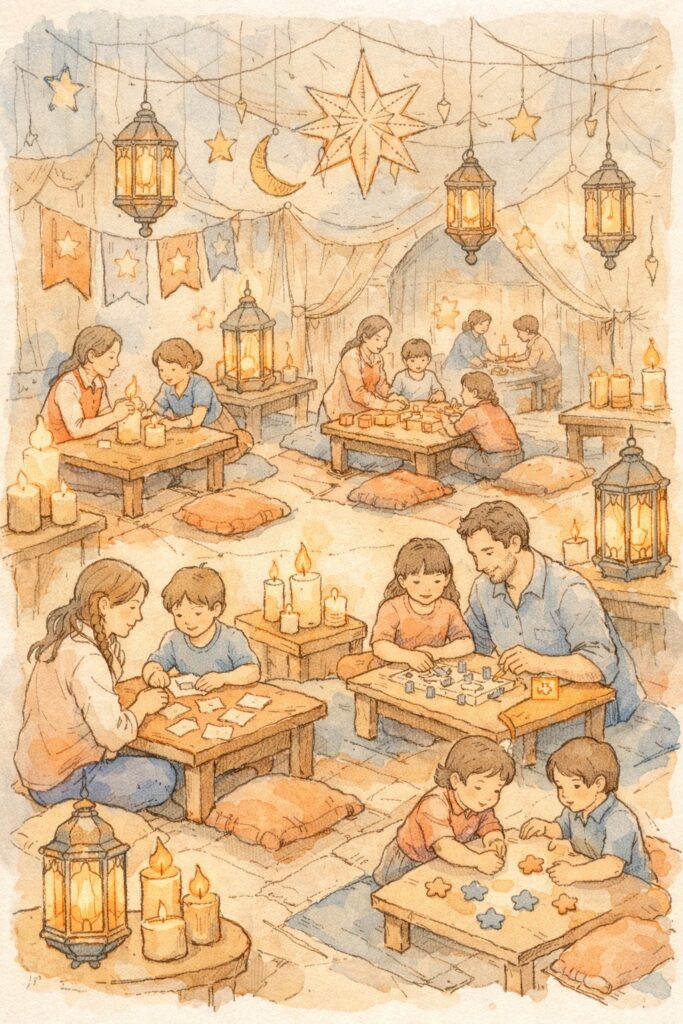
You can make the Easter Vigil more engaging for kids with simple games that teach about the service. A fire relay race is a fun way to talk about the Paschal candle.
Have the kids pass a battery-operated candle and chat about how Christ’s light spreads to others. It’s a little silly, but they remember it.
Make a Bible story matching game with cards for the vigil readings. Print pairs with the story names and matching images from the Old Testament readings.
Your kids can match Adam and Eve with the creation story or Moses with the Red Sea crossing. It’s quick to set up and surprisingly effective.
Try a water blessing scavenger hunt around the house. Hide small crosses or fish symbols for the kids to find and bring back to a bowl of water.
This brings the baptismal focus of the vigil to life in a way that’s hands-on. They get the idea without a big lecture.
Play “Light and Darkness” tag before the vigil starts. One kid is “the light” and everyone else is “in darkness” until tagged.
It’s a simple game, but it makes the symbolism of the service starting in darkness and moving toward light stick in their minds. Sometimes the simplest games work best.
A sensory guessing game is always a hit. Put items in bags—like water, a small candle, or a bit of incense—and let the kids feel and guess what each one is.
They’ll connect these objects to the vigil elements, and honestly, it’s just fun for them to guess.
10) Preparing a Simple Liturgy Service for Practice
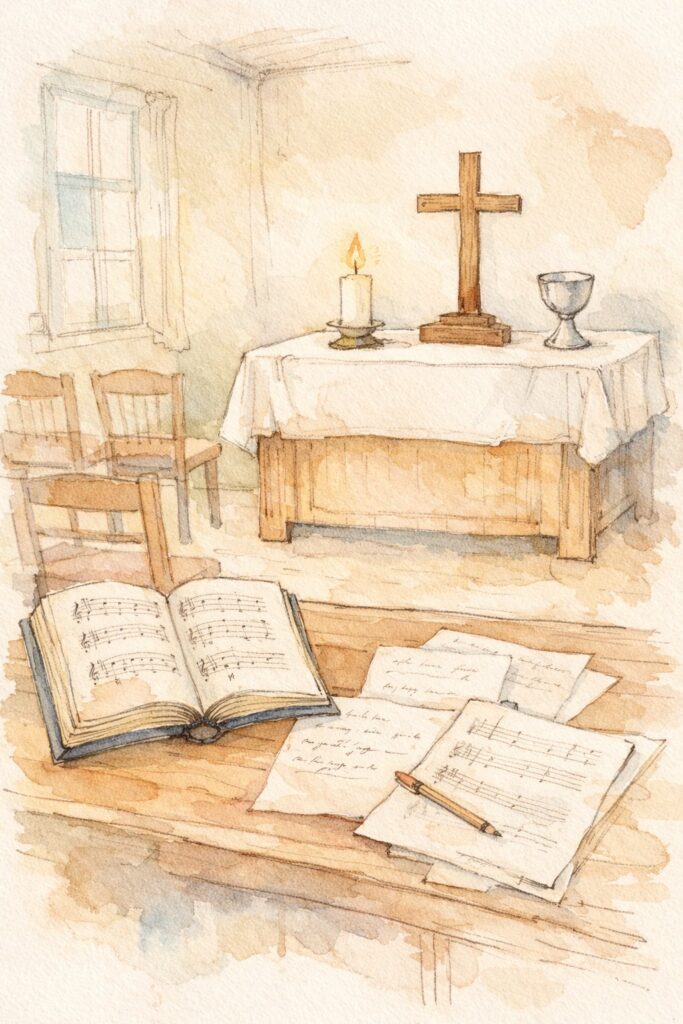
You can set up a practice version of the Easter Vigil so your group gets familiar with the different parts. Pick a time that works for families—no need to wait until night.
Split the practice into four main parts: Service of Light, Liturgy of the Word, Liturgy of Baptism, and Liturgy of Eucharist. Walk through each section, but don’t worry about making it long or formal.
Let people swap roles—readers, servers, choir members—so everyone gets a feel for what happens. It’s a great way to build confidence for the real thing.
Keep things simple and short. Focus on the main movements and basic prayers, not every detail.
Use symbols like a candle to stand in for the Easter fire if you don’t want to deal with real flames. Nobody needs a fire alarm going off.
Make sure folks know when to stand, sit, or respond. Go slow and answer questions as they pop up.
That little bit of practice really helps people feel ready to participate in the actual Easter Vigil.
Understanding the Easter Vigil Tradition
The Easter Vigil stands as the most significant celebration in the Christian calendar. It happens on Saturday evening before Easter Sunday.
This nighttime service combines ancient rituals with powerful symbols like fire, water, and light to commemorate Jesus Christ’s resurrection. There’s something about the darkness and the flicker of candles that just feels different.
Historical Roots of the Easter Vigil
The Easter Vigil started way back in the early centuries of Christianity. Ancient Christians gathered in darkness on Saturday night, waiting and hoping for the resurrection at dawn.
It became the central celebration of the church year. Early communities fasted and prayed all through Holy Saturday, then broke into joyful celebration as Sunday began.
Baptizing new Christians was a huge part of the original vigil. These new folks would spend months preparing, then finally join the church during this powerful night.
The whole community watched these baptisms and renewed their own faith. It’s hard not to feel the weight of tradition there.
By the fourth century, the Easter Vigil was a fixture across Christian communities. The service always started after nightfall and often ran until dawn.
Symbolism and Rituals Celebrated
The Easter Vigil tells the story of salvation in four main parts. Each one uses symbols that engage your senses and help you get the meaning.
The Service of Light starts in total darkness. Someone blesses a new fire outside, representing Christ as the light of the world.
They light a big candle—the Paschal candle—from this fire and carry it into the dark church. That moment always gives me chills.
The Liturgy of the Word features several Bible readings. These trace God’s relationship with humanity, from creation right through to the resurrection.
The Liturgy of Baptism centers on the blessing of water. New members get baptized, and everyone else renews their baptismal promises.
The Liturgy of the Eucharist wraps things up with communion. Bells ring, lights come on, and the celebration finally bursts into joy.
Incorporating the Easter Vigil in Educational Settings
Schools and religious education programs can bring the Easter Vigil tradition into classrooms with hands-on activities and lessons that fit the students’ ages. Teachers have to balance the sacredness of the celebration with the need to actually teach something meaningful.
Engaging Different Age Groups
Young children learn best with sensory experiences and simple activities. Let them decorate paper candles or make flame crafts while you talk about the Easter fire symbol.
They love acting out the story of Jesus’s resurrection with costumes and props. Sometimes it’s a little chaotic, but it sticks.
Middle schoolers respond well to deeper discussions about the vigil’s symbols. Have them research the Paschal candle and make presentations.
They can write reflections on themes like light overcoming darkness or design posters explaining the different parts of the ceremony. It’s a good way to get them thinking.
High school students can dig into the historical development of the Easter Vigil and compare it across Christian traditions. Assign them to read original source texts about early church practices.
They might even plan a simplified vigil service for younger students. That gives them a sense of leadership and helps them really grasp the ceremony’s structure.
Supporting Multicultural Perspectives
The Easter Vigil means different things to different Christian groups. Catholic, Orthodox, and Protestant churches each put their own spin on this tradition.
Some families go to midnight services. Others show up at sunrise for the celebration.
Students who aren’t from Christian backgrounds can still get involved by learning about the Easter Vigil as a piece of cultural history. Why not present it alongside other spring renewal celebrations from various faiths? That way, everyone can spot the shared themes of hope and fresh starts.
If you can, invite guest speakers from different Christian traditions to talk about their Easter Vigil experiences. Maybe throw in a few short video clips of vigils from around the world—it’s a great way to see how the tradition shifts across cultures.
Follow us on Social Media!

I’m Nina, and I’m very passionate about spirituality. Exploring the depths of the soul and connecting with the divine has always been my source of inspiration. Join me on a journey of self-discovery and inner peace through my writing.