
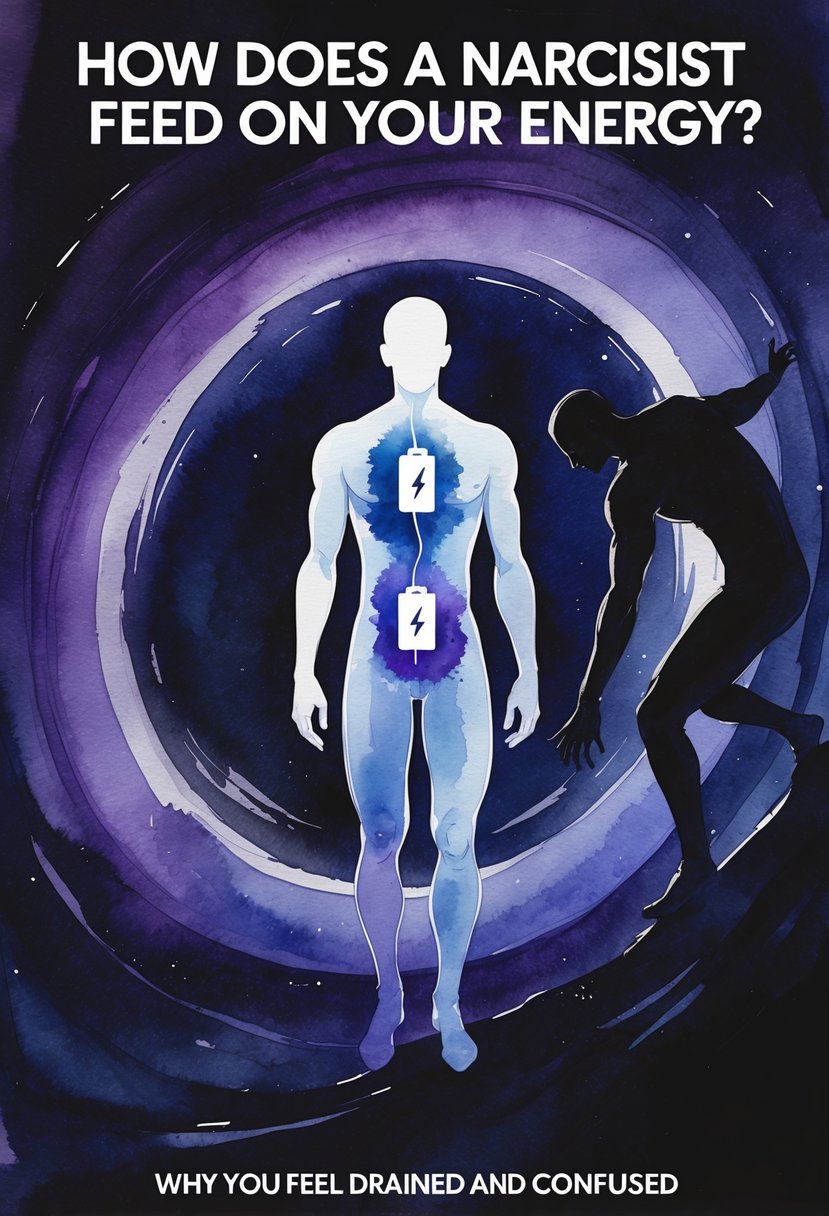
Have you ever felt drained after spending time with someone? You might be dealing with a narcissist who thrives on your energy. These individuals often take more than they give, leaving you feeling exhausted and confused.
In this article, you’ll learn how narcissists manipulate situations to feed off your emotional and mental resources. By understanding their tactics, you can reclaim your energy and protect yourself from their influence. Get ready to empower yourself and break free from the cycle of emotional depletion.
Key Takeaways
- Understanding Narcissism: Recognize that narcissism involves a lack of empathy, grandiosity, and a constant need for admiration, which can significantly impact personal relationships.
- Types of Narcissists: Identify different types of narcissists—grandiose, vulnerable, and malignant—to better understand their unique tactics and behaviors.
- Manipulation Tactics: Be aware of common emotional manipulation techniques such as love bombing, gaslighting, triangulation, and the silent treatment, which narcissists use to drain your energy.
- Recognizing Signs of Drain: Look for signs that you are being drained, including emotional fatigue, anxiety, confusion, and low self-esteem, to help protect your well-being.
- Setting Boundaries: Learn effective communication strategies to assertively establish boundaries that shield you from a narcissist’s influence, promoting a healthier dynamic.
- Prioritizing Self-Care: Engage in self-care practices and seek support from trusted individuals to restore your energy and maintain emotional resilience against narcissistic behaviors.
Understanding Narcissism
Narcissism involves a personality trait characterized by an excessive focus on oneself, often resulting in a lack of empathy for others. Understanding the core elements of narcissism helps you recognize its impact on relationships.
What Is Narcissism?
Narcissism is marked by a sense of grandiosity, a need for admiration, and diminished empathy. People with narcissistic traits often present themselves as superior, seeking constant validation from those around them. For instance, you may notice a narcissist boasting about accomplishments or demanding attention in social settings. This need for external validation often drives them to exploit the emotional reserves of others.
Types of Narcissists
Narcissism exists in various forms, each manifesting different traits and behaviors. Here are three common types:
- Grandiose Narcissists
Grandiose narcissists display overt confidence and arrogance. You might find them talking excessively about their successes, expecting admiration without reciprocating. - Vulnerable Narcissists
Vulnerable narcissists show insecurity beneath their self-centered facade. They may seek validation but often feel victimized, using guilt to manipulate others into providing support. - Malignant Narcissists
Malignant narcissists combine traits of grandiosity with antisocial behavior, often resorting to manipulation and aggression. Their actions may leave you feeling intimidated or drained due to their relentless demands for attention and control.
Recognizing these types helps you identify narcissistic behaviors in others. Establishing boundaries is crucial for protecting your well-being when dealing with narcissists. Understanding their motivations equips you with strategies to manage interactions more effectively.
How a Narcissist Feeds on Your Energy
Narcissists rely on your emotional energy to sustain their self-image. They employ various tactics to manipulate and exploit you, leaving you feeling drained. Understanding these methods helps you protect your energy.
Emotional Manipulation Techniques
Narcissists use several tactics to manipulate emotions:
- Love Bombing: They shower you with excessive compliments and attention at first. This tactic creates an illusion of intimacy and makes you feel valued.
- Gaslighting: They distort reality by making you doubt your perceptions. This confusion can lead to dependency on them for validation.
- Triangulation: They involve others to create conflicts and maintain control. This strategy diverts your focus and energy away from yourself.
- Silent Treatment: By withdrawing affection and communication, they punish you. This behavior forces you to seek their approval, often at the expense of your own well-being.
Recognizing these techniques empowers you to set boundaries and maintain your emotional resources.
The Role of Empathy in the Dynamic
Empathy often plays a crucial role in your relationship with a narcissist. You may find yourself overly concerned with their feelings, ignoring your own needs. This imbalance becomes a target for their exploitation.
- Guilt Induction: They use your empathy to provoke guilt when you prioritize yourself. You might feel responsible for their emotions, which further drains your energy.
- Emotional Blackmail: They threaten to withdraw affection or escalate conflicts to gain compliance. This manipulation makes you conform to their demands.
- Sustained Drama: They create emotional crises to keep you engaged. This constant turmoil keeps you focused on them, neglecting your needs.
Understanding this dynamic can help you reassess your empathy’s role in these interactions, enabling you to reclaim your energy and establish healthier relationships.
Signs You Are Being Drained by a Narcissist
Recognizing the signs of being drained by a narcissist can help you reclaim your energy and maintain your well-being. Watch for these indicators.
Red Flags to Look Out For
- Inconsistency: Notice when your interaction feels like a rollercoaster. A narcissist often alternates between praise and criticism, leaving you confused.
- Overly Self-Centered Conversations: Pay attention to how often they dominate discussions. Narcissists frequently steer conversations back to themselves, neglecting your feelings and needs.
- Manipulative Behavior: Recognize manipulative tactics, such as guilt trips. Narcissists might use emotional blackmail to control you, making you feel responsible for their happiness.
- Lack of Accountability: Observe how they never take responsibility. Narcissists deflect blame, focusing on their grievances while minimizing yours.
- Demanding Attention: Watch for constant attention-seeking. They need excessive validation, draining your emotional energy and time.
- Fatigue: Expect feelings of exhaustion. Interactions can leave you feeling drained, as narcissists pull energy instead of contributing positively.
- Anxiety: Notice increasing feelings of anxiety. You might feel constantly on edge, unsure of how to please them or navigate their whims.
- Confusion: Experience ongoing confusion about your worth. A narcissist’s behavior often leads to self-doubt, making it hard to recognize your value.
- Low Self-Esteem: Identify dips in self-esteem. If you’re feeling less confident, it may stem from their constant criticism and manipulation.
- Physical Ailments: Observe unexplained physical symptoms like headaches or fatigue. Emotional strain often manifests in physical ways, draining your overall health.
Recognizing these signs empowers you to set boundaries and protect your energy from narcissistic influences.
Setting Boundaries
Setting boundaries is crucial for protecting your energy from narcissists. Boundaries help create a space where you can feel safe and maintain a sense of control in your interactions.
Effective Communication Strategies
- Be Direct: State your needs clearly and explicitly. Use “I” statements to express how specific actions affect you. For example, say “I need some time to myself” instead of “You always take my time.”
- Stay Calm: Approach conversations with a calm demeanor. Avoid raising your voice or showing frustration. Staying composed encourages the narcissist to engage more constructively.
- Practice Assertiveness: Use assertive language to reinforce your boundaries. For instance, say “I won’t be available to talk right now” rather than “I might be able to respond later.”
- Limit Engagement: Keep conversations brief and to the point. Redirect discussions that veer into emotional exploitation by focusing back on neutral topics or your needs.
- Limit Contact: Reduce the frequency and duration of your interactions with a narcissist. Set specific times for communication if necessary, and stick to these boundaries.
- Prioritize Self-Care: Engage in activities that recharge you, such as practicing mindfulness, exercising, or spending time with supportive friends. Prioritizing self-care cultivates resilience.
- Maintain Emotional Distance: Use mental techniques like visualization to create an emotional barrier. Picture a protective shield around you, guarding you against negative energy.
- Reflect on Interactions: Take time after encounters to assess how they affected you. Write down your feelings in a journal to process emotions and identify patterns that drain your energy.
- Seek Support: Connect with trusted friends or professionals who understand your situation. Sharing experiences can provide perspective and reinforce your boundaries.
Implementing these strategies allows you to take charge of your interactions. Focus on maintaining your energy and well-being by respecting your own boundaries while navigating the challenges posed by narcissists.
Conclusion
Recognizing the toll that narcissists can take on your energy is the first step toward reclaiming your well-being. By understanding their tactics and the signs of emotional drain you can protect yourself and set healthier boundaries. It’s essential to prioritize your own needs and surround yourself with supportive people who uplift you.
Remember that you deserve relationships that nourish rather than deplete you. Take the time to reflect on your interactions and trust your instincts. With awareness and assertiveness you can break free from the cycle of manipulation and focus on building a more positive and fulfilling life.
Frequently Asked Questions
What is narcissism?
Narcissism is a personality trait characterized by an excessive self-focus and lack of empathy for others. People with narcissistic tendencies often seek constant validation, display grandiosity, and manipulate others to maintain their self-image. Recognizing these traits is vital for understanding how narcissists operate.
How do narcissists drain your energy?
Narcissists drain energy by manipulating and exploiting the emotional resources of those around them. They engage in behaviors like love bombing, gaslighting, and silent treatment, leaving their victims feeling exhausted and confused. Awareness of these tactics can help individuals protect their emotional well-being.
What are the types of narcissists?
There are three common types of narcissists: Grandiose Narcissists, who seek admiration and display overt confidence; Vulnerable Narcissists, who mask insecurity and elicit guilt; and Malignant Narcissists, who combine grandiosity with aggression and manipulation. Understanding these types is crucial for effective boundary-setting.
What are signs of being drained by a narcissist?
Signs of being drained by a narcissist include inconsistent interactions, self-centered conversations, manipulative behaviors, and constant attention-seeking. Victims may also experience emotional and physical symptoms like fatigue, anxiety, and low self-esteem, indicating the need to reassess the relationship.
How can I protect my energy from narcissists?
To protect your energy, set clear boundaries and communicate assertively. Limit engagement with narcissists, practice self-care, and maintain emotional distance. Reflect on your interactions and seek support from trusted friends or professionals to help navigate these challenging relationships effectively.
Follow us on Social Media!

I’m Nina, and I’m very passionate about spirituality. Exploring the depths of the soul and connecting with the divine has always been my source of inspiration. Join me on a journey of self-discovery and inner peace through my writing.